
+ Discover
+ Admissions
+ Academics
+ Life at RLC
+ Support RLC
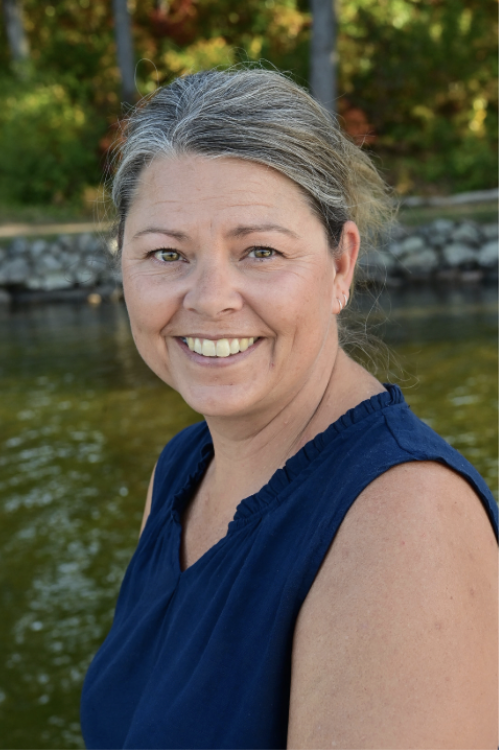
Sarah Andras, OCT, Student Success Teacher and Special Education Specialist
It is a trademark of the RLC teaching and learning community that we work, always, to ensure the particular needs of each student are thoughtfully and carefully accommodated. This assurance is at the heart of our personalized learning approach. By participating in a student-centred professional community, RLC teachers truly know their students. The positive relationships teachers form with their students, and the dynamic and creative learning cultures they cultivate, ensures unending access and opportunities to express learning for each student.
Supporting students is in our nature
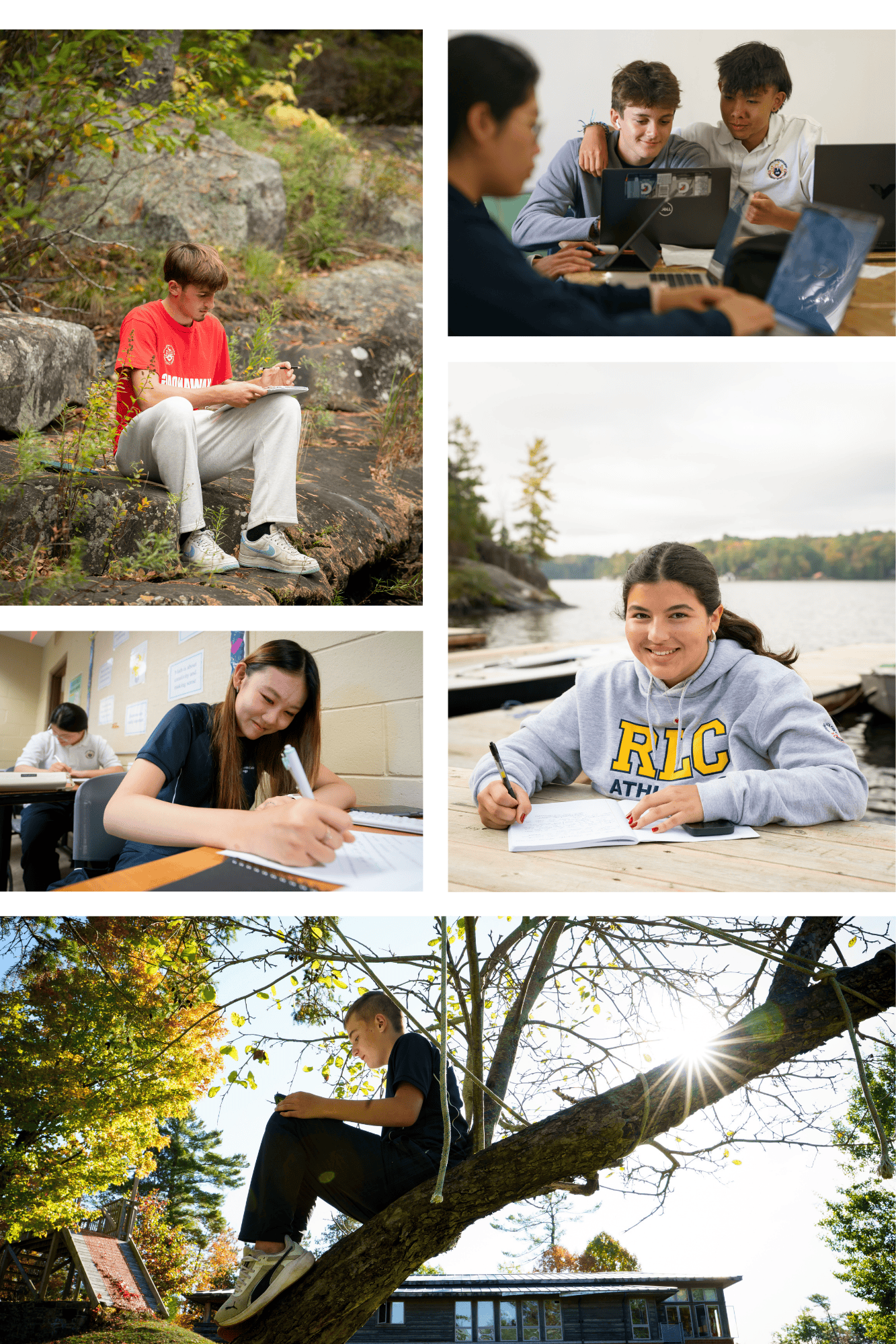
Learning at RLC is student centred, placing a strong emphasis on experience (often in the outdoors), inquiry and creativity. Students are often designers of their own learning and the essential questions driving learning, participating in the planning of experiences, and the creation of assessments and assessment tools.
Leadership & Individualized Support
Our Student Success program is led by Sarah Andras, OCT, Student Success Teacher and Special Education Specialist. With a lifelong career in education, ranging from elementary to Grade 12 students, Ms. Andras works closely with students, families, and faculty to support growth, independence, and self-advocacy.
She also builds Individual Student Success Strategies (the ISS is RLC’s equivalent of an IEP) for each student requiring accommodations for particular learning needs and challenges.
Students with documented learning needs receive an Individual Student Strategies (ISS) Plan, which:
Our goal is simple: to help students succeed — especially when learning feels challenging. Where all students can practice “fearless practice and discovery.”
— Carol Ann Tomlinson
Universal Design & Differentiation
All teachers plan using a Universal Design for Learning (UDL) approach. This does not change curriculum expectations. Instead, it ensures students can:
Teachers differentiate instruction and collaborate with the Student Success Teacher to provide thoughtful accommodations.
Effective Functioning & Rosseau Roots
Executive functioning is intentionally developed from the Foundation Years through Grade 12.
Beginning in the Foundation Years, students are explicitly taught key learning skills:
All students receive an agenda at the start of the school year to support planning and time management. Weekly advisor/mentor meetings reinforce goal-setting, reflection, and accountability.
As students grow, these skills expand into the competencies outlined in our Rosseau Roots framework, which emphasize being:
At RLC, executive functioning is not just about organization — it is about developing confident, resilient learners who can lead themselves and contribute meaningfully to others. From Grade 9 onward, Student Success includes intentional academic and post-secondary planning.
Learning Strategies Courses
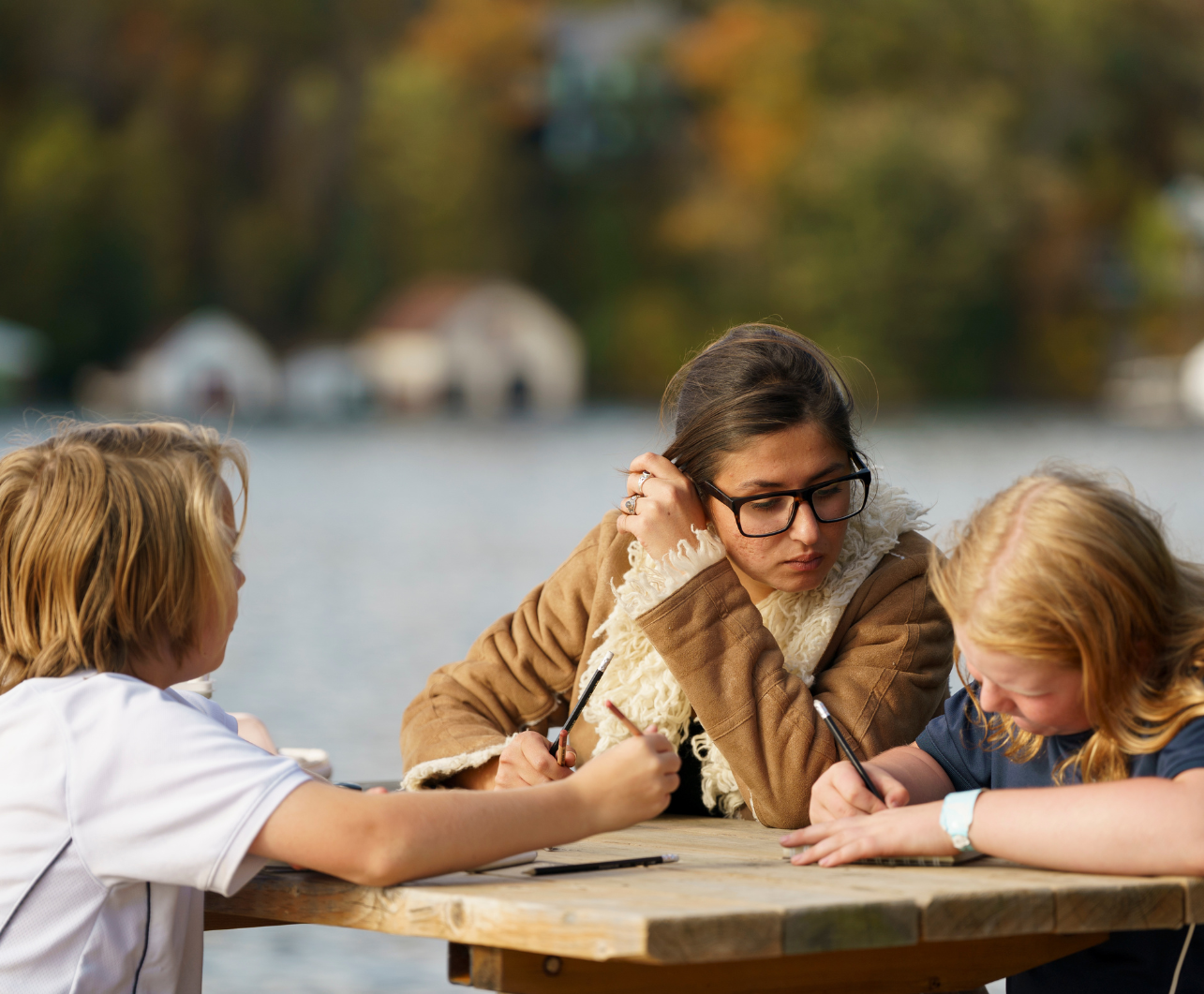
Learning Strategies Courses that intentionally support students in the development of executive functioning skills, are offered to RLC students in Grades 9 and 10. In general, any student within these grade levels who is supported by an ISS is strongly encouraged to enroll in a Learning Strategies course. Also, the Learning Strategies curriculum is embedded throughout all parts of the Foundation Years Program, ensuring a strong base of skills with which to enter high school,
Circle of Care
Student success is a shared responsibility.
.jpg)
Our Circle of Care in the teaching and learning program includes:
This collaborative structure ensures students are supported in their daily learning and their long-term goals.
Types of Accommodations & Supports for Students in Student Success
Instructional Accommodations
Assessment Accommodations
Environmental Accommodations
Organizational & Executive Functioning Supports
Response to Intervention (RTI) Levels — Overview
Tier 1: Universal Supports (All Students)
- Universal Design for Learning (UDL)
- Differentiated classroom instruction
- Explicit teaching of learning skills
- Mentor meetings
- Executive functioning development
Tier 2: Targeted Support
- Small group or short-term interventions
- Academic support plansIncreased
- Student Success teacher check-ins
- Structured learning strategies support
- Family communication and collaboration
Tier 3: Intensive & Individualized Support
- Individual Student Strategies (ISS) Plan
- Regular collaboration with Student Success Teacher
- Ongoing monitoring and adjustment of accommodations
- Recommendation for external psychoeducational assessment (if appropriate)
- Coordinated Circle of Care meetings

